A Historic Sign Comes Back to Life at Café Mission
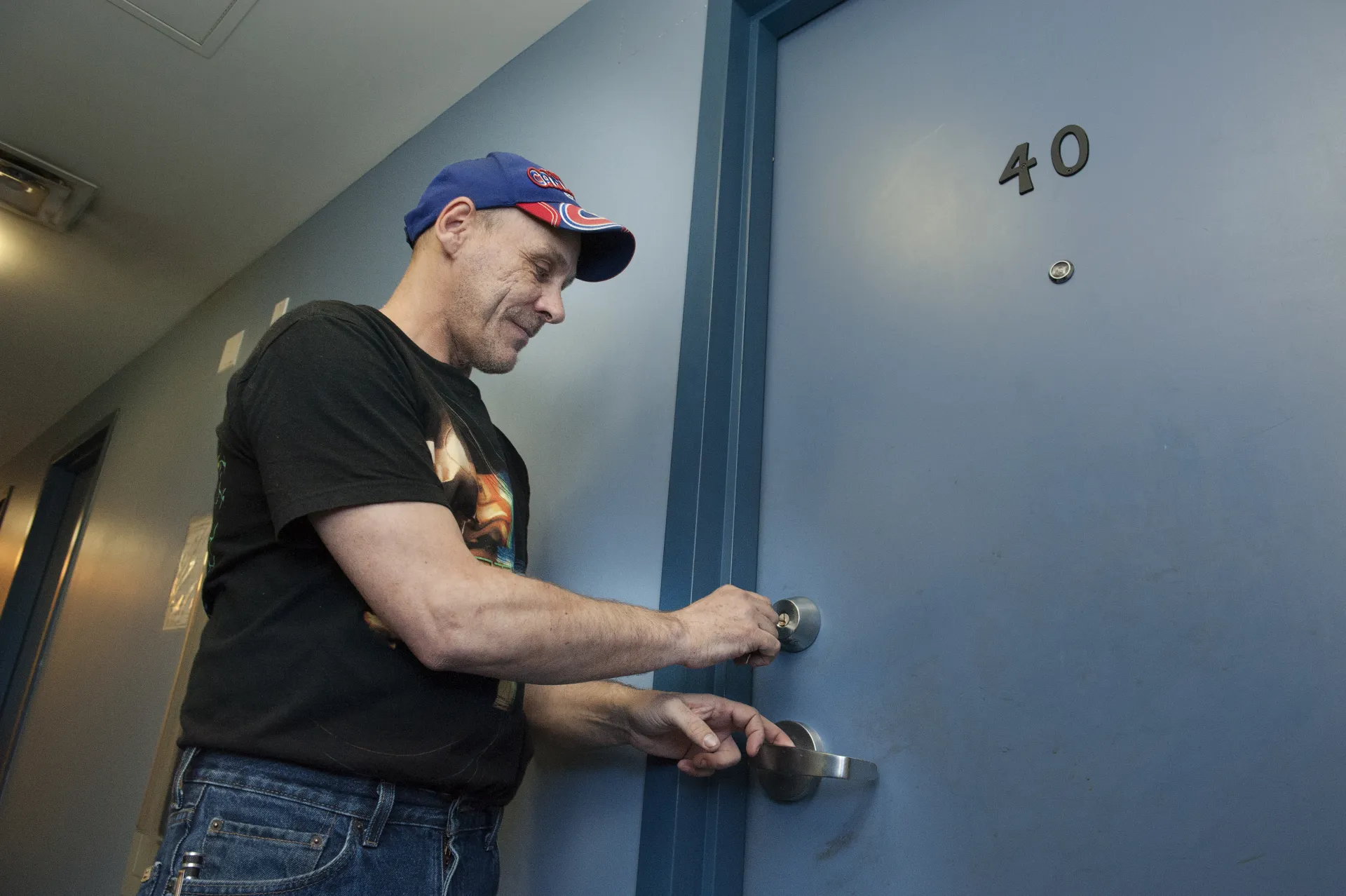
As July 1 approaches, anxiety sets in in numerous Montreal households. For many, moving season is not synonymous with renewal, but instead a countdown to precarity. Finding an affordable home in the city has become an uphill battle.
The figures speak for themselves. According to a study by Léger, the average rent increase in Quebec rose 10% from 2024 to 2025. One Montreal tenant out of four admits to having had difficulty paying their rent over the past year. At the same time, homelessness increased by 7% in Montreal, with over 5000 people experiencing visible homelessness. Faced with these obstacles, we can no longer sit and wait for long-term results. Urgency requires that we act now to prevent other fellow citizens from ending up in the street.
First, we must maintain our existing housing stock, because the least expensive home is one that is already lived in. In Montreal, there are fewer than 2000 rooming houses. These buildings, where each tenant rents an individual room while sharing a kitchen or bathroom, represent the ultimate security net for those who don’t have access to any other type of housing.
Unfortunately, these vital spaces are constantly under threat because of real estate speculation and conversions. To maintain these living spaces, municipalities must make greater use of their right of first refusal, the City’s right to buy a building for sale before any other private buyer.
Next, it is important to secure and prioritize non-market housing. To mitigate the adverse effects of speculation, the Quebec government must set an ambitious and non-negotiable target of 20% for non-market housing, a goal numerous organizations have called for.
Finally, the City of Montreal must exploit its real estate leverage to the maximum. Housing models managed by NPOs and cooperatives guarantee that public investments remain affordable in perpetuity. To accelerate projects, we must systematize the assignment of surplus land and buildings to these non-profit developers. Paired with the right of first refusal, this approach will mean key buildings can be acquired for the benefit of the community.
This offensive becomes all the more viable as the structure begins to take shape. In recent months, the public sector has laid a solid groundwork: Quebec is planning to deliver 9000 affordable housing units in 2026, the Montreal Metropolitan Community has reserved an envelope of $125.6 million for housing (that’s nearly 50% of its budget) and the City of Montreal has announced that it will be establishing a right of first refusal for 300 lots, in addition to identifying 46 areas for community development. Concrete successes, like the acquisition of Les Jardins Gordon to create nearly 100 units of affordable housing, have shown how effective these methods can be.
But to meet the scale of needs when it comes to homelessness, we must aim for an extra 2000 units of non-market housing a year for people experiencing or at risk of homelessness. These units must come with housing support services to ensure residential stability.
To complete this strategy, we must sustain the mechanisms that prevent homelessness before the fact. This involves formalizing funding initiatives like the PETAL program, which directly intervenes on behalf of vulnerable tenants at the Tribunal administratif du logement before they are evicted. It also requires implementing a mandatory rent registry to halt abusive rent hikes and strongly regulate the introduction of new Airbnb-type housing.
Awareness is growing in our governments, but the rise in homelessness requires a real revolution in our public policies. In the face of a crisis that unfolds every night on our sidewalks, piecemeal management isn’t enough. By picking up the pace, we will protect the dignity and safety of thousands of Montrealers. The starting signal has been sounded, let’s get to top speed. A housing emergency calls for no less.